How to plan a property cleanout for a family member's home in Raleigh
By White Oak Junk Removal
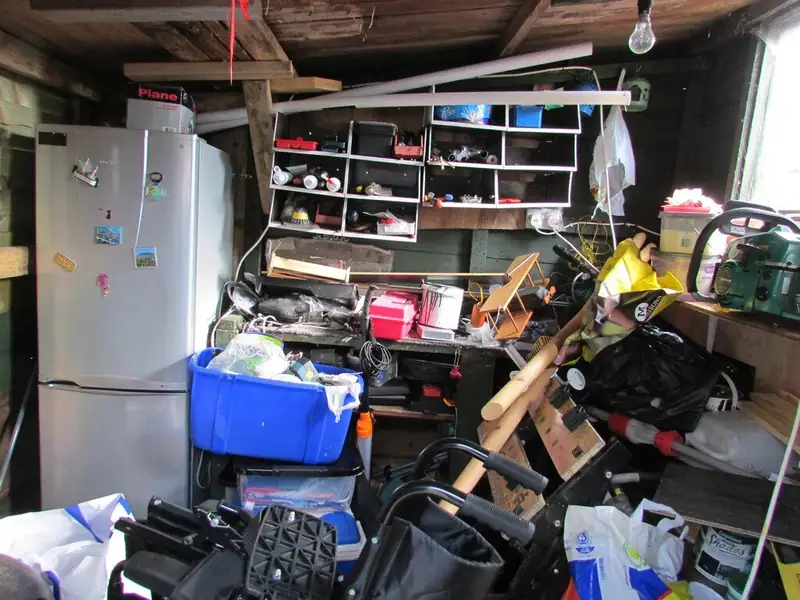
The house is full, the deadline is getting closer, and every room seems to contain something somebody might want. There may be a couch in the den, old paint in the garage, boxes in the attic, and a bedroom nobody has opened in years. A family-home cleanout can get heavy fast, especially when you are trying to make decisions while handling a move, a sale, or a lease ending.
Start by separating the decisions from the hauling. You do not need to know exactly how much will fit in a truck before you begin. You do need a simple plan for what stays, what needs another family member's answer, and what can leave the property.
Protect the things that cannot be replaced
Before anyone starts clearing rooms, make one area for items that are definitely staying. A dining table works fine. Put documents, photographs, jewelry, family records, prescription information, keys, and anything with a name or signature there. Keep that area out of the traffic path so it does not get mixed back into the pile.
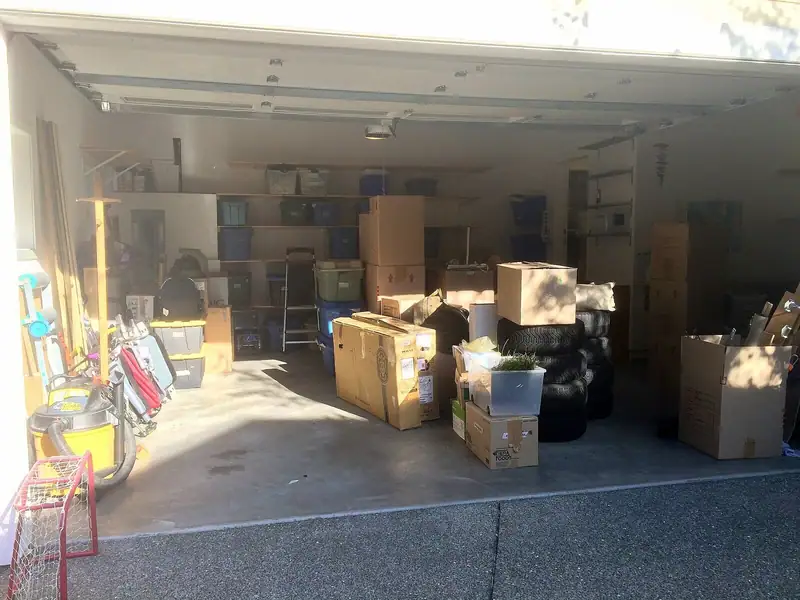
Then work through the home one room at a time. Open drawers, check closets, and look through filing cabinets before marking furniture for removal. In an older Raleigh home, that may mean checking a basement, attic, crawl space, detached garage, or shed. In a newer subdivision, it may simply mean getting the driveway and garage clear before a move-out date or a contractor arrives.
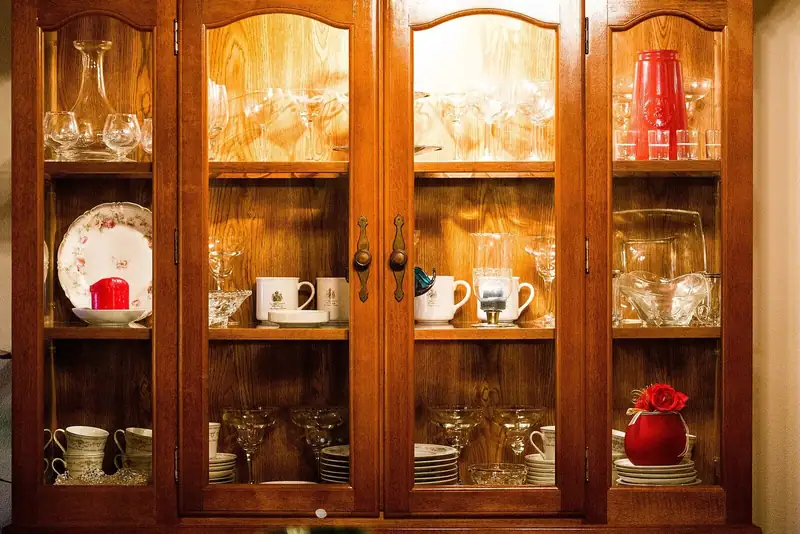
Do not ask every relative to decide on every object in the house. Give people a reasonable deadline to claim specific items, preferably with a text or email so there is less confusion later. If someone wants the china cabinet, ask when it will be picked up. A claimed item that stays in the house for another month is still an item you have to plan around.
For rooms that carry more emotional weight, slow down. You can clear the obvious trash and broken furniture first, then return to the personal items after you have had time to look. A cleanout crew can work around a keep pile or a room you are not ready to address yet.
Make a removal plan that matches the property
Once you know what is staying, divide the rest into a few practical groups: items family members will take, items you plan to sell or donate yourself, and items that need to be removed. Do not spend a week trying to sell a worn-out recliner for twenty dollars if the home must be emptied by Friday. Save your time for pieces that are genuinely useful or valuable.
- Furniture such as couches, mattresses, dressers, tables, and recliners
- Appliances such as refrigerators, washers, dryers, and stoves
- Boxes, household clutter, garage contents, and storage-room leftovers
- Yard waste, brush, branches, and storm debris outside the home
- Renovation, demolition, or construction debris if the house needs work before sale or turnover
If the job is small and you have a truck, a free afternoon, and a place that accepts what you are hauling, doing it yourself can make sense. Take a realistic look at the stairs, tight halls, heavy appliances, and time involved before you commit. A couch that will not clear a doorway, or an attic full of boxes, can turn a simple Saturday task into a longer project.
Make access part of the plan. Set aside parking for the truck, unlock gates, and identify rooms or piles that are off limits. If you are not able to be there, leave clear instructions and arrange access. For a family member's home, it also helps to write down any items that must remain, even if they look ready to go.
Use the estimate to settle the last unknowns
A good time to call for a cleanout is after the keep items are out of the way, even if the rest of the house still looks overwhelming. You do not need to stack everything at the curb or carry it downstairs. White Oak Junk Removal says its crew can remove items from where they are, including up stairs and out of crawl spaces, then do the lifting, carrying, and loading.
The company offers free, no-obligation on-site estimates with an upfront price before work starts. That is the point where the amount of material, access, and job details get settled instead of guessed at over the phone. Their site says there are no hidden fees, and that same-day service is often available when the schedule allows.
White Oak Junk Removal is based in Garner and serves Raleigh and all of Wake County. Brent Ward is the owner-operator, and the company says its junk specialists are insured. Their property-cleanout work includes estate, move-out, garage, basement, attic, storage-unit, foreclosure, and hoarding cleanouts, so a house does not have to be neatly sorted before you ask for help.
Ask the crew to leave a clear keep area and tell them which rooms need a second look before anything moves. After loading, White Oak says it donates and recycles what it reasonably can, with the remaining material going to the landfill, and cleans up the work area. That gives you a plan for the furniture, appliances, boxes, and debris without requiring you to decide the disposal route for each piece.
The work usually goes more smoothly when you choose one person to make final decisions. That person does not need to own every decision, but the crew needs a clear answer when a box, a chair, or a pile by the garage is in question. Keep the list simple, keep the family informed, and leave the lifting until after you know what is actually leaving.
For a free on-site estimate in Raleigh or elsewhere in Wake County, call or text White Oak Junk Removal at (919) 801-8331.