What it really takes to tear down an old shed or deck in Raleigh
By White Oak Junk Removal
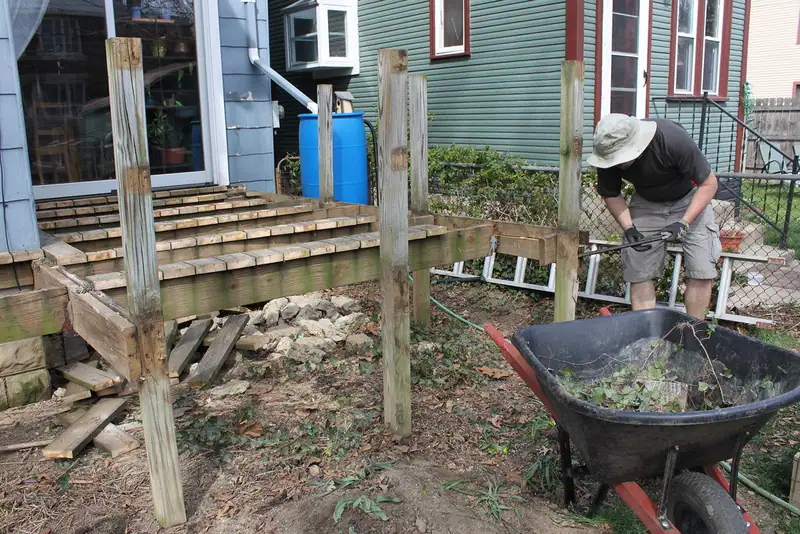
The shed floor is soft, the roof has started to sag, and every time the wind picks up you wonder which panel will come loose first. Or the deck boards have gone spongy around the steps, nails are lifting, and the old structure is now keeping you from starting the project you actually want.
Taking down a small shed or deck can be straightforward. It still involves more than breaking boards apart and filling a pickup bed. In Raleigh, the work usually comes down to four things: whether the structure needs a permit for removal, what is attached to it, how crews can get in and out, and where the material can legally go.
Start by looking at the structure and the site
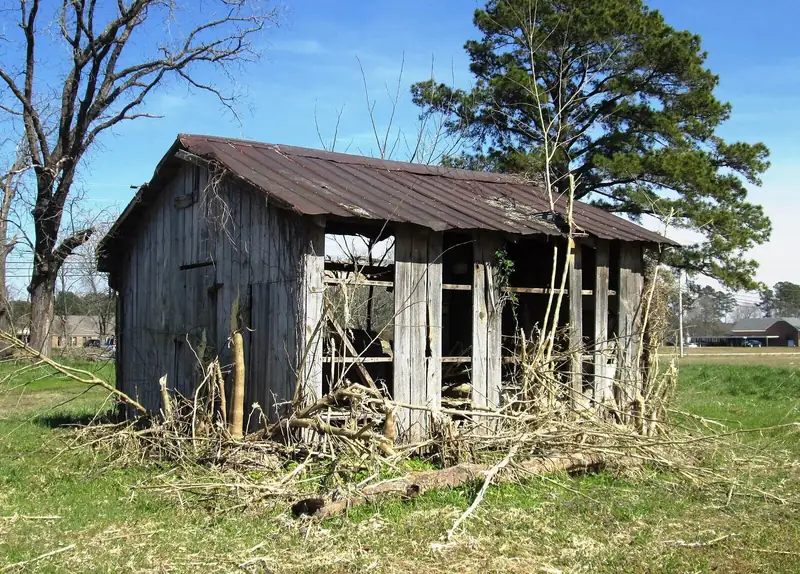
A freestanding garden shed with clear access, no power, and a sound floor is a realistic do-it-yourself job for someone with a truck, basic tools, and a full afternoon. Take it apart from the top down. Remove loose contents first, then roofing, wall panels, framing, and the floor. Keep a close eye on rot. A wall that looks fine from the outside can be hanging on by a few damp studs.
A deck changes the job because it may be connected to the house, carry stairs or rails, and sit on posts set in concrete. A shed can have buried footings, an old slab, wiring, shelves full of paint cans, or a narrow path between the house and fence. If electricity runs to the structure, have that connection dealt with before demolition begins.
Walk the route from the structure to the truck before anyone starts. In Oakwood and Five Points, a tight side yard or alley-only access can control how material has to be carried out. In newer Raleigh townhome areas, a shared drive can leave only a short window to stage a load. Check any association rules that apply to your property before putting debris at the curb or in a shared drive.
Check the permit question before demolition day
Do not assume every shed comes down under the same rules. The City of Raleigh’s residential demolition guidance specifically covers incidental accessory buildings with dimensions greater than 12 feet. It says each address requires its own permit, and the application materials include a site plan or survey that identifies the structure being removed and what will remain.
If the shed is larger, sits near a property line, is in a historic district, or has well or septic considerations, check with the City before setting a date. A deck removal can also have project-specific questions, especially if you are replacing it or changing the footprint afterward. The City’s permit staff can tell you what applies to your address. It is much better to settle that before a trailer is in the driveway and half the deck is on the ground.
For a rental or commercial property, confirm who is responsible for approval and disposal before work begins. The owner, property manager, contractor, and tenant can all have different roles. Put the decision-maker and site access in place first.
The teardown needs an order and a disposal plan
A safe removal works from loose and upper pieces down to the heavy framing. For a shed, that usually means clearing contents, removing doors and windows, taking off roofing, then dismantling walls and floor framing. For a deck, rails and stairs come off before deck boards, joists, beams, posts, and footings. Material gets heavier and more awkward as the job moves along.
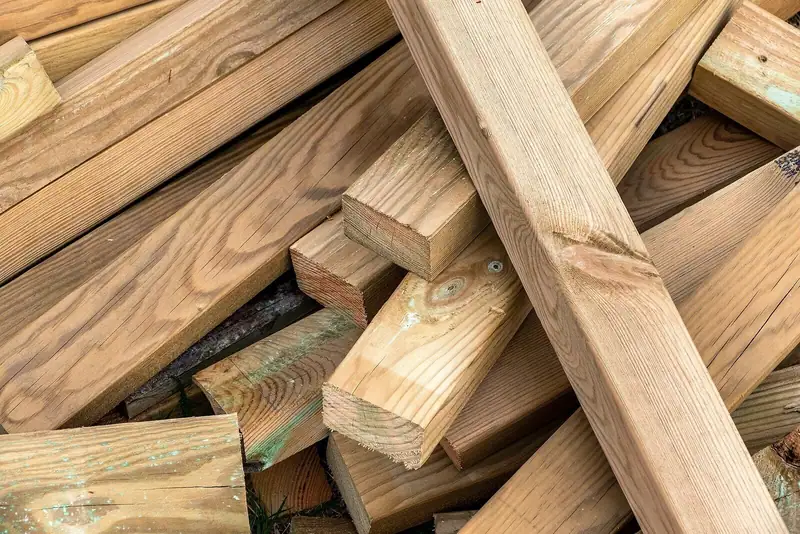
The pile is often the part people underestimate. Demolition material is not ordinary curbside junk. Raleigh does not collect construction and demolition debris through its bulky-load program, and treated lumber is also excluded. Wood, metal, concrete, roofing, glass, and fasteners need to be kept under control rather than left mixed across the yard.
Wake County convenience centers accept limited construction debris from Wake County homeowners. The City notes that those sites accept lumber, drywall, carpet, and tile, but not concrete or pavers. They also do not accept commercial debris, including debris brought in by hired contractors or tenants. That makes a difference on a deck with concrete footings, a shed on a slab, or any job where a contractor is handling the haul-away.
- Empty the shed or clear the deck before the work starts. Separate anything you plan to keep.
- Identify power, water lines, gas connections, low branches, gates, and the route to the loading area.
- Confirm the permit requirements for your address if the structure is large or the scope is unclear.
- Decide whether posts, footings, anchors, and slabs are being removed or left in place.
- Plan for the debris before demolition begins. Do not count on curbside collection for the lumber and building material.
Know when bringing in a crew makes sense
Call for help when the structure is unstable, access is tight, the load includes concrete or a large volume of lumber, or the job needs to be cleared on a short schedule. It also makes sense when you are already managing a renovation, a move-out, or a property turnover. The work is physical, but the planning and disposal are what usually stretch a small teardown into several days.
White Oak Junk Removal provides light demolition for sheds, decks, fencing, and interior structures, followed by cleanup and haul-away. It is a locally owned business operated by Brent Ward and based in Garner, serving Raleigh and Wake County. The crew is insured, provides a free on-site estimate with an upfront price before work starts, and often has same-day availability. A shed or deck demolition may still need to wait on access, permit questions, or utility work.
Pricing depends on the structure’s size and condition, the carry-out route, what needs to be removed with it, and the disposal load. An on-site estimate is where those details get sorted out. After loading, White Oak says it donates and recycles what it reasonably can rather than sending everything straight to the landfill, then cleans up the work area.
If you have an old shed or deck in Raleigh and want an on-site estimate, call or text White Oak Junk Removal at (919) 801-8331.