Where yard waste and brush actually go after a storm in Raleigh
By White Oak Junk Removal
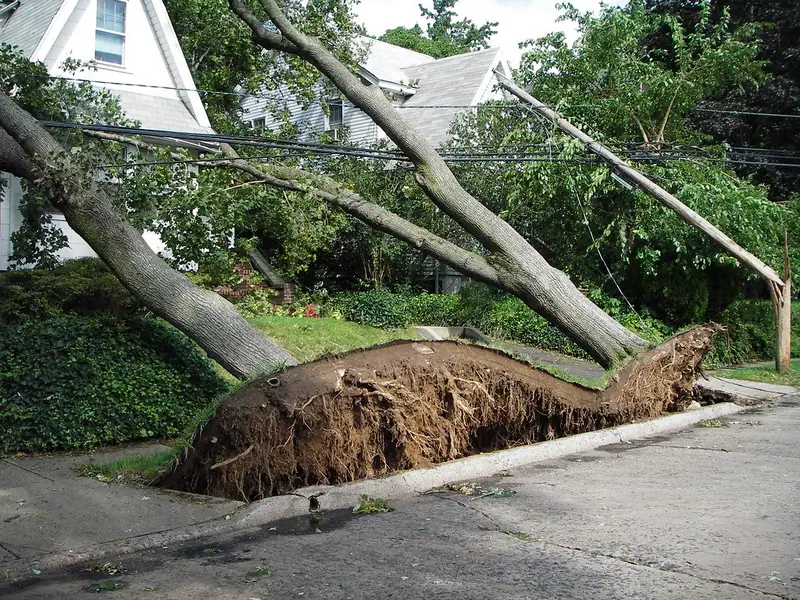
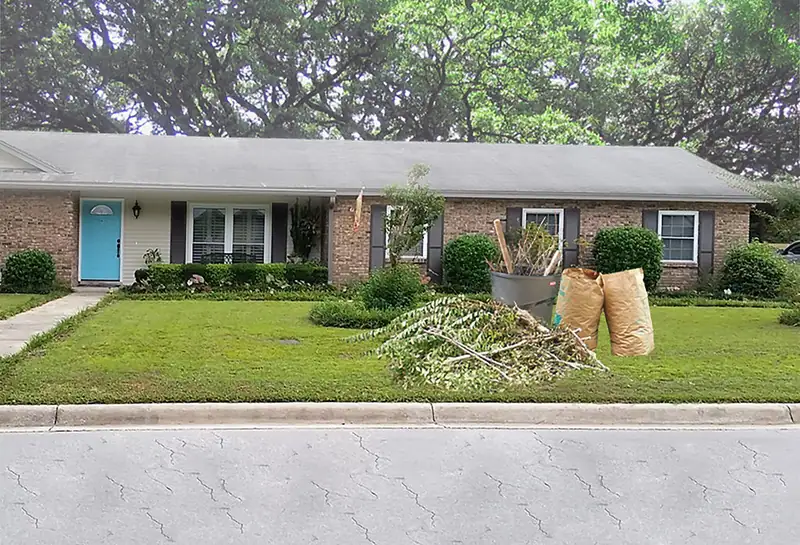
A limb is across the driveway, wet brush is piled by the fence, and the yard suddenly looks like somebody shook a tree through a blender. You need the pile gone, but storm cleanup has a few different disposal paths in Raleigh, and the right one depends on what is actually in that pile.
Clean vegetative debris has a useful destination. Construction scraps, roofing, fencing, and household junk do not belong in the same load. Separating them before anyone arrives saves a lot of trouble later.
Most clean brush becomes mulch or compost
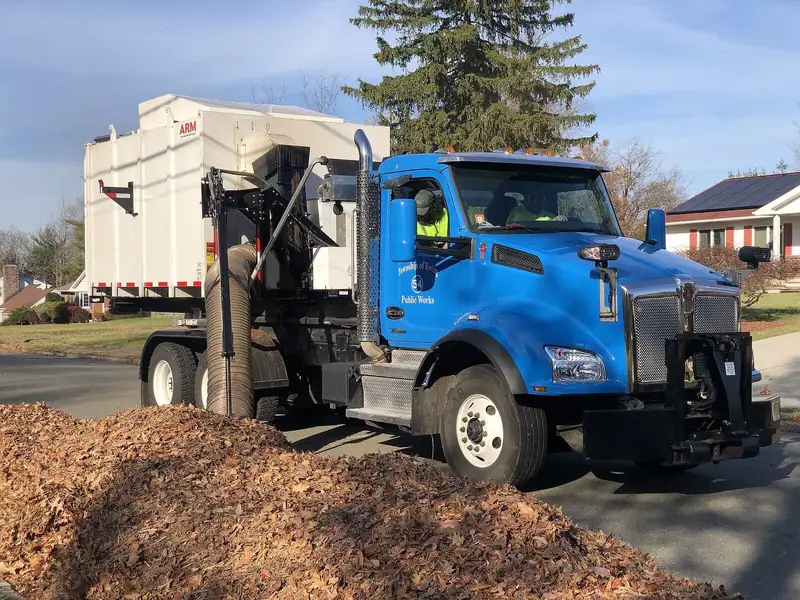
For Raleigh’s normal residential yard-waste collection, properly prepared leaves, grass, brush, and small limbs are taken to the City of Raleigh Yard Waste Center on New Hope Road. There, the material is unloaded, ground into smaller pieces, and put into large composting rows. The process takes roughly three to five months before the finished material is screened into products such as organic mulch and compost.
Woody material is the part that usually becomes mulch or wood chips. Leaves and finer green debris break down into compost or leaf mulch. Some of that finished material goes back into gardens, landscaping projects, parks, and City right-of-way areas. So the branch that came down in your side yard does not automatically head to a landfill.
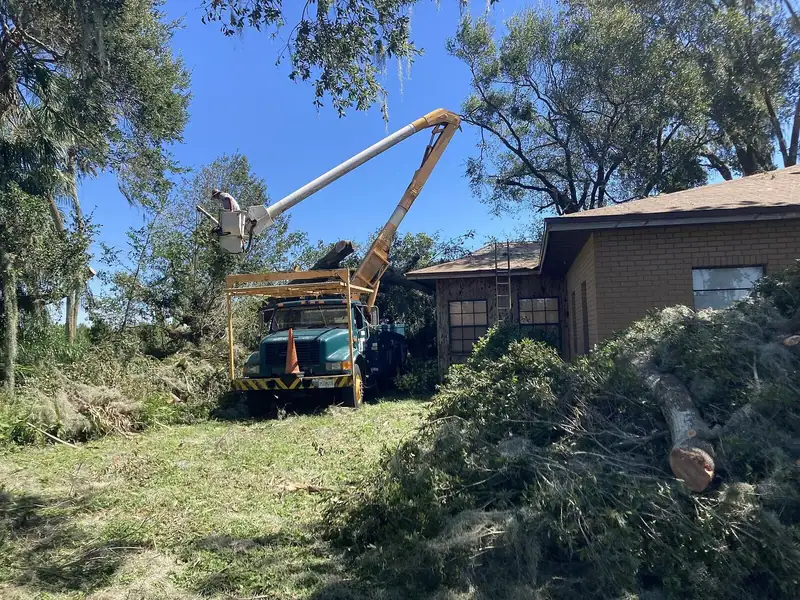
A major storm changes the collection setup. The City says regular yard-waste crews collect normal yard waste, while storm debris should be kept in a separate curbside pile for storm-debris collection by a contractor in affected areas. Do not put that pile in the street or gutter, and keep it clear of mailboxes, hydrants, low wires, and anything else that would block access.
The City’s mulch program also uses plant material collected from residents and storm debris. Still, a storm pile is not a promise of immediate pickup. After widespread damage, crews and contractors have to work through whole neighborhoods, and private-property debris has to be placed where collection equipment can reach it safely.
Curbside service has limits that show up after a storm
Curbside yard-waste pickup works well for the regular pile from pruning a few shrubs or cutting up a small fallen limb. It is less useful when the pile includes heavy logs, long branches, a stump, or material from a contractor’s clearing job. Raleigh does not collect logs and limbs over six inches in diameter or over five feet long, stumps, dirt, rocks, old mulch, or contracted yard-work debris through its normal yard-waste collection.
If you have a pickup truck, manageable brush, and time to unload it yourself, you can take an eligible non-commercial load to the City Yard Waste Center for a fee. The City does not allow commercial vendors to use that facility for yard-waste disposal, and staff there do not unload vehicles for you. That matters if you are looking at a dump trailer full of wet branches rather than a few bags of leaves.
Keep building material out of the brush pile. A snapped fence panel, treated lumber, shingles, drywall, siding, or a damaged shed are debris-removal jobs, not yard-waste loads. The City specifically says not to mix construction material with yard debris during storm cleanup, and it will not collect storm-related construction material.
- Clean brush, limbs, leaves, pine straw, and shrub trimmings can follow a yard-waste route.
- Large logs, stumps, and oversized limbs need a different plan than normal curbside yard waste.
- Fence boards, roofing, demolition scraps, and other construction material should be kept separate from vegetation.
- Do not push leaves or brush into the street, gutter, or storm drain.
A removal crew changes the work, not the sorting
For a small pile, the do-it-yourself route can make sense. Cut branches into manageable lengths, keep the pile on your property until collection day, and take a clean load yourself if you have the vehicle and a free afternoon. It is work, but it is straightforward work.
Call for help when the pile is too big to handle safely, access is awkward, or the storm left more than vegetation behind. A crew can carry brush from behind a garage, load material from a side yard, remove fallen fence sections through the proper debris channel, and leave you out of the lifting and repeat trips.
White Oak Junk Removal serves Raleigh and all of Wake County from Garner. The company offers debris removal, storm-debris cleanup, debris hauling and yard-waste removal, plus light demolition and property cleanouts when the damage includes a shed, deck, fence, or interior material. Its site says the team is fully insured and can often provide same-day service.
The crew will look at the job in person and give a free, upfront estimate before work starts. Pricing depends on the actual pile, the mix of materials, access, and where each material has to go. Once you approve the price, the site says the crew handles lifting, carrying, loading, and cleanup, then donates and recycles what it reasonably can rather than defaulting to the landfill.
Start by making one clean pile and one debris pile
Before calling anyone, walk the yard once with a phone or a piece of paper. Set aside anything you want to keep, such as firewood-sized logs, a gate that can be repaired, or pavers that washed loose. Then separate clean vegetation from construction material and from regular household junk.
You do not need to measure every branch or guess the load size. A clear pile lets a crew see the real job and keeps brush from being mixed with material that needs another disposal route. And if an HOA, tenant turnover, contractor schedule, or blocked driveway is putting a clock on the cleanup, say that at the beginning.
White Oak Junk Removal is locally owned by Brent Ward, owner-operator, and handles residential and commercial removal work across Wake County. Call or text (919) 801-8331 to arrange a free on-site estimate for the storm debris on your property.