Junk Removal in Apex: What You Can Handle Yourself—and When to Call for Help
By White Oak Junk Removal
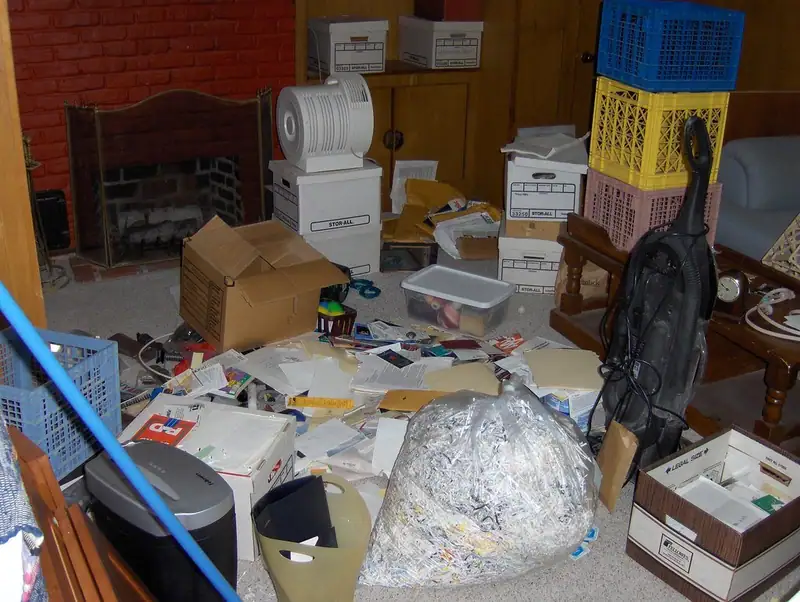
A garage cleanout, a room full of old furniture, or a pile left after a renovation can look manageable until it is time to lift, sort, load, and find a legal place for every item. For homeowners in Apex, the practical question is not just whether you can move the junk yourself. It is whether doing it yourself will save enough money to justify the time, vehicle trips, disposal fees, and risk of injury or property damage.
Start by sorting before you haul
Do not begin by filling a truck or trailer with everything in sight. Make separate areas for items that can be donated, recycled, sold, put out with normal household trash, and disposed of another way. This keeps usable furniture and household goods out of the landfill, but it also prevents a common problem: loading a vehicle only to learn that the destination will not accept part of the load.
Open boxes, bags, and storage totes before deciding they are junk. Look for paperwork, medication, batteries, electronics, paint, propane cylinders, chemicals, and family items that may have been packed away with ordinary clutter. If you are clearing an estate or a long-unused attic, plan for sorting to take longer than loading.
DIY jobs that are usually realistic
A do-it-yourself approach can make sense when the load is small, the items are light enough for you to move safely, and you have access to a suitable vehicle. A few bags of household clutter, flattened cardboard, small shelves, yard debris, or a single item that fits safely in your vehicle are often manageable without hiring help.
- Donate clean, usable clothing, kitchenware, books, and furniture that is still structurally sound.
- Sell items only if you have the time to photograph them, communicate with buyers, and arrange pickup. If clearing space is the priority, set a short deadline before donating or disposing of them.
- Break down cardboard boxes and small furniture when doing so makes the load safer and easier to transport.
- Ask a friend for help with awkward but manageable items; use gloves, closed-toe shoes, and a clear path from the house to the vehicle.
- Secure every load. Loose items, mattresses, and lightweight debris can shift or blow out during transport.
Where DIY cleanup commonly goes wrong
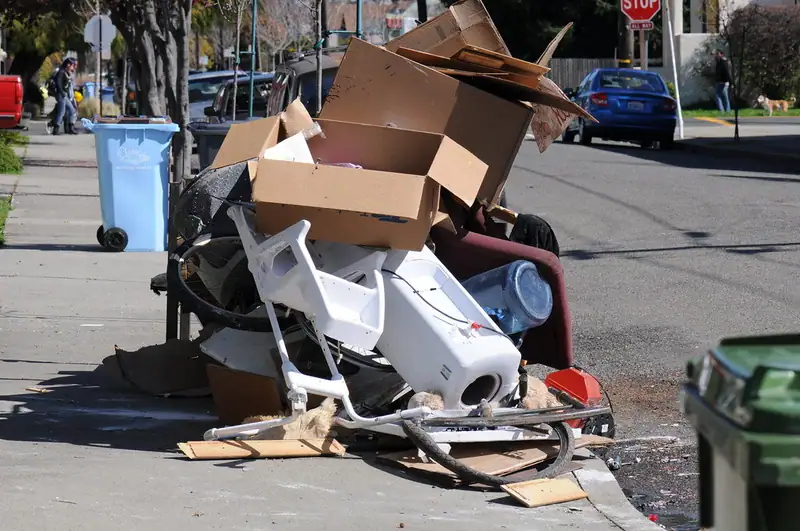
The hard part of junk removal is often not the distance to the disposal site. It is moving bulky items through a house without hurting someone or damaging a wall, floor, stair rail, or doorway. Sofas, armoires, old appliances, exercise equipment, and water-damaged furniture can be far heavier and less balanced than they appear.
Avoid trying to move a large item alone. Dragging it can gouge floors, and lifting it incorrectly can cause back, shoulder, hand, or foot injuries. A pickup truck is not automatically a solution, either: a load that is too high, unsecured, or too heavy for the vehicle creates a road hazard and can turn a cleanup project into a costly problem.
Items that need special handling
Some materials should not be treated like ordinary household junk. Electronics, batteries, paint, solvents, chemicals, fuel containers, fluorescent bulbs, and propane cylinders may have separate handling requirements. Appliances can also require extra care, particularly if they contain refrigerants or are too heavy to move safely. Check the current acceptance rules for the facility you plan to use before loading these materials.
Construction debris deserves a separate plan. Drywall, lumber, roofing, tile, carpet, insulation, and demolition waste can fill a vehicle quickly and may be heavier than expected. Keep sharp material contained, do not mix unknown chemicals into debris, and do not assume every disposal location accepts renovation waste.
When hiring junk removal is the better choice
Professional junk removal is usually worth considering when there is enough material to require repeated vehicle trips, when items are large or difficult to carry, or when the work involves stairs, a crawlspace, an attic, or a tight hallway. It is also the practical choice after a move, tenant turnover, renovation, estate cleanout, or storm-related cleanup, when the job has a deadline and the pile needs to disappear in one visit.
- Large furniture, appliances, pianos, safes, or heavy exercise equipment.
- Full garage, attic, storage-unit, basement, or estate cleanouts.
- Loads involving multiple categories of material that need sorting and proper disposal.
- Junk located upstairs, downstairs, behind a house, or in another difficult-access area.
- Cleanup jobs where you do not have a truck, trailer, extra labor, or time for multiple trips.
- Any situation involving suspected hazardous materials, unknown containers, severe water damage, mold, pests, or structural safety concerns.
What to ask before you book a junk removal crew
Get clear answers about what is included before the crew arrives. Ask whether the price covers labor, loading, hauling, and disposal; whether there are added charges for unusually heavy items; and whether the company can take the specific materials in your pile. If you are comparing estimates, describe the whole job, including stairs, outbuildings, detached garages, and large items that may not be visible in a photo.
It also helps to ask how the crew handles usable items and recyclable materials. A responsible job is not simply throwing everything into a truck. Sorting before pickup, when practical, can make the removal faster and help direct reusable items away from disposal.
Prepare the space to make removal safer and faster
Whether you do the work yourself or hire help, clear a path to the items. Move vehicles from the driveway if access is needed, unlock gates, secure pets, and point out fragile surfaces or low clearances. Remove personal documents, cash, medications, and valuables before the work begins. If there is an item you want to keep, mark it or move it to a separate room; during a busy cleanout, “not that one” is not a dependable system.
For a small, sorted load, DIY removal can be a sensible weekend task. For heavy, high-volume, or complicated junk, paying for trained labor and hauling can be less expensive than it looks once you count truck rental, disposal trips, lost time, and the chance of an injury. The right choice is the one that gets the space cleared without creating a bigger problem.