What ongoing waste management looks like for a small business in Apex, NC
By White Oak Junk Removal
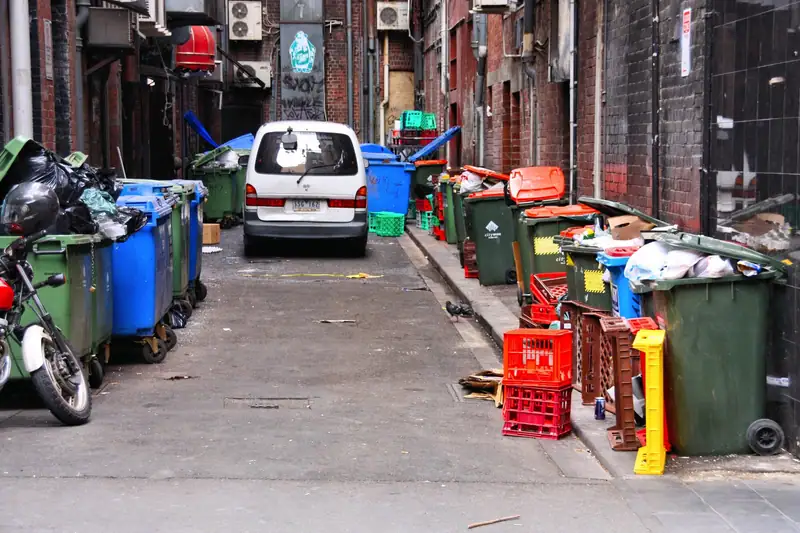
The back room has filled with flattened boxes, broken pallets, and the office chairs nobody has time to move. Your regular trash pickup handles the usual day-to-day load, but it won’t always take bulky overflow, packaging, old fixtures, or damaged equipment. Those piles have a way of staying put until they block a loading area, take over a storage room, or become somebody’s problem at closing time.
For a small business in Apex, ongoing waste management means having a plan for that material before it slows down the next delivery, remodel, turnover, or busy week. It can be a single pickup after a cleanout. It can also be a standing schedule for material that keeps coming back.
It fills the gap your normal trash service leaves behind
Ongoing hauling works alongside the service you already use for everyday trash. It is for the stuff that is too large, too awkward, or too much for the normal container. A retail back room might collect shipping boxes, broken displays, and surplus pallets. A small warehouse may have damaged pallets, packing material, old shelving, or equipment that has reached the end of its use.
The first useful step is to separate what is truly recurring from what is a one-time backlog. A business moving a few pallets out every few weeks has a different need from a contractor clearing renovation debris at the end of each phase. Both are manageable once somebody sees the material, where it sits, and how it leaves the building.
- Pallets, crates, packaging, and back-of-house overflow
- Broken furniture, shelving, fixtures, and non-hazardous equipment
- Construction and renovation debris
- A one-time office, retail, or warehouse clearout
- Recurring loads that your regular waste service will not take
If you have a truck, a clear place to unload, and an afternoon to spare, you may be able to handle a small load yourself. That makes sense for a few boxes or one broken chair. The work changes once the material is stacked in a dock area, tucked behind inventory, or heavy enough that moving it takes more than one person.
A standing pickup should fit the work that creates the waste
There is no reason to guess at a schedule before looking at the job. Some businesses need a truck once after a reorganization. Others have pallets, packaging, or debris that builds up steadily and need pickups every few weeks or on a standing schedule. The right timing is the timing that keeps material from becoming an obstacle without paying to haul air.
Think through a normal month before the estimate. Where does the material collect? Is there a loading dock, side door, freight elevator, or rear gate? Does the pile grow after deliveries, during a tenant improvement, or at the end of a job? Clear answers help set up a pickup plan that works with your operations rather than interrupting them.
You also do not need to drag the pile to the curb. The crew can load from where the material sits. For a business, that matters because the unwanted material is often in a stockroom, a storage bay, behind a counter, or along the back wall where deliveries come in. Keeping it contained until pickup is usually safer and more orderly than scattering it outside.
The estimate settles the scope and the price
An ongoing arrangement still starts with a look at the actual job. A free on-site estimate gives you an upfront price before any work begins, with no hidden fees added later. The price depends on what needs to go, the amount of material, and the work involved in loading it, so an in-person estimate is more useful than trying to measure a pile over the phone.
Once you approve the price, the crew handles the lifting, carrying, and loading. They also provide cleanup after the haul. White Oak Junk Removal says its team is insured, and same-day availability is often possible when the schedule allows. Same-day service is useful for a surprise delivery or a deadline, though a recurring need is usually easier to manage when it is planned ahead.
After loading, disposal is part of the job. White Oak Junk Removal donates and recycles what it reasonably can, then takes the remaining material to the landfill. If you have equipment that needs special preparation, say so before pickup. For example, non-hazardous industrial equipment needs to be de-energized, drained, and disconnected by a licensed trade before it is hauled away.
Keep the work area usable between pickups
A simple staging spot helps. Put recurring material in one area where it does not block exits, customer paths, workstations, or deliveries. Keep what you are saving clearly separate from what is leaving. If a building manager controls access to a dock, gate, or service hallway, line that up before the pickup date.
This is especially useful when a small business is changing its layout in pieces. One week may bring old desks and cartons. The next might bring shelving, fixtures, or renovation debris. You do not have to wait until the whole building is full to call. Smaller, regular removals can keep a worksite or back room from turning into a larger cleanout.
White Oak Junk Removal serves Apex and the rest of Wake County. It is locally owned and operated by Brent Ward, and the company offers commercial, construction, and renovation waste management alongside commercial cleanouts, debris removal, and recycling services.
To talk through a one-time pickup or ongoing waste management for your Apex business, call White Oak Junk Removal at (919) 801-8331 for a free on-site estimate.