What ongoing waste management looks like for a small business in Raleigh
By White Oak Junk Removal
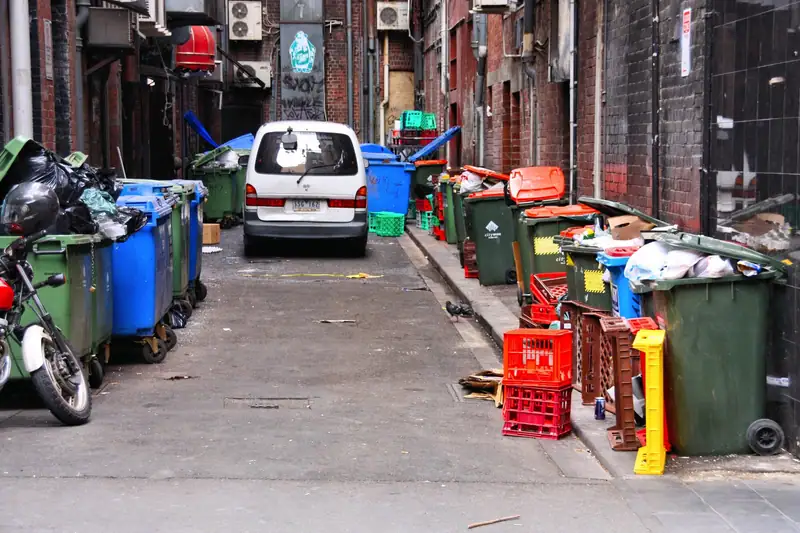
The cardboard is stacked beside the back door again. A broken office chair is leaning against it, and the old display fixtures from last month’s reset are still taking up room in the stock area. Regular trash pickup handles the daily bag or two. It usually does not solve the pile that keeps coming back.
For a small business, ongoing waste management means having a plan for material that builds up through normal work. It can be recurring hauling for a shop, office, warehouse, jobsite, or renovation. The point is to deal with the load before it blocks a doorway, eats up work space, or becomes a last-minute problem before a move-out or inspection.
Start with the waste that regular pickup does not cover
A small business does not need a complicated system to begin. Look at what is accumulating over a few weeks. Some loads are steady, such as shipping boxes, worn-out shelving, broken chairs, or pallets. Others arrive in bursts, like torn-out flooring from a renovation, brush after exterior work, or a batch of old equipment replaced all at once.
Keep everyday trash separate from the items that need a larger haul. That makes it easier to see whether you have a one-time cleanup on your hands or a recurring need. If your staff can break down a few boxes and fit them in the usual collection, that is probably the sensible route. If material is taking over the loading area or has to be moved twice before it leaves, it is time to schedule removal.
- Furniture and office equipment that no longer has a place in the business
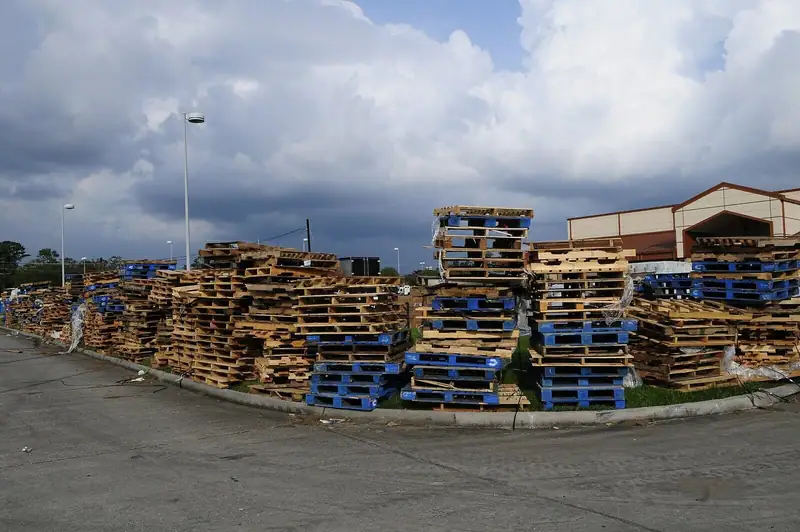
- Pallets, fixtures, shelving, and material left after a retail or warehouse change
- Construction, demolition, and renovation debris from an active project
- Yard waste, brush, or storm debris around the property
- Appliances that need to be hauled away rather than left at the curb
The schedule should follow the work
Ongoing does not have to mean a truck arrives on the same calendar day every week. For one business, it may mean a planned haul after inventory changes. For a contractor, it may mean keeping a jobsite clear as demolition or renovation work moves along. A landlord may need removal between tenants, then have no need again until the next turnover.
Give the hauling crew a clear picture before they arrive. Say where the material is, whether it is inside or outside, whether stairs are involved, and whether the business will be open during the work. If several people are responsible for the property, decide who can approve the estimate and identify what stays. A stack of boxes marked for removal is useful. So is a clear instruction that the printer beside them remains.
Access matters more than most people expect. Keep the loading spot, hallway, or back entrance available at the scheduled time if you can. If you cannot be there, leave clear instructions and arrange access. White Oak Junk Removal says a customer does not need to be on site when the crew has access and clear directions.
An estimate gives you the decision point
The right hauling plan depends on the amount of material, what it is, where it sits, and how often it needs to go. There is no useful number to guess over the phone from a description like “some debris in the back.” An on-site look settles the scope and gives you a price before work begins.
For ongoing commercial waste management in Raleigh and Wake County, White Oak Junk Removal offers free on-site estimates and says its pricing is upfront with no hidden fees. The crew is insured, and same-day service is often available when the timing is tight. That can help when a delivery, renovation, or lease deadline has pushed a manageable pile into a real operational problem.
Hauling is only part of the job
A proper pickup starts where the material is sitting. The crew can handle lifting, carrying, and loading, so there is no need to drag a desk, couch, or stack of damaged fixtures to the curb first. Once the load is removed, the work area should be cleared of loose debris from the haul.
What happens after pickup matters too. White Oak Junk Removal says it donates and recycles what it reasonably can, with the remainder going to the landfill. Appliances, furniture, construction debris, yard waste, and commercial cleanout material do not all take the same path, so it is better to identify unusual items when you request the estimate rather than assume they belong in the same load.
The company is locally owned and operated by Brent Ward, based in Garner and serving Raleigh, Wake County, and the greater Triangle. For a small business, the practical goal is simple: know what is building up, call before it turns into a blocked work area, and schedule hauling around the work you already have to do.
To discuss an ongoing waste-management need for your Raleigh business, call White Oak Junk Removal at (919) 801-8331 for a free on-site estimate.