What it really takes to tear down an old shed or deck in Knightdale, NC
By White Oak Junk Removal
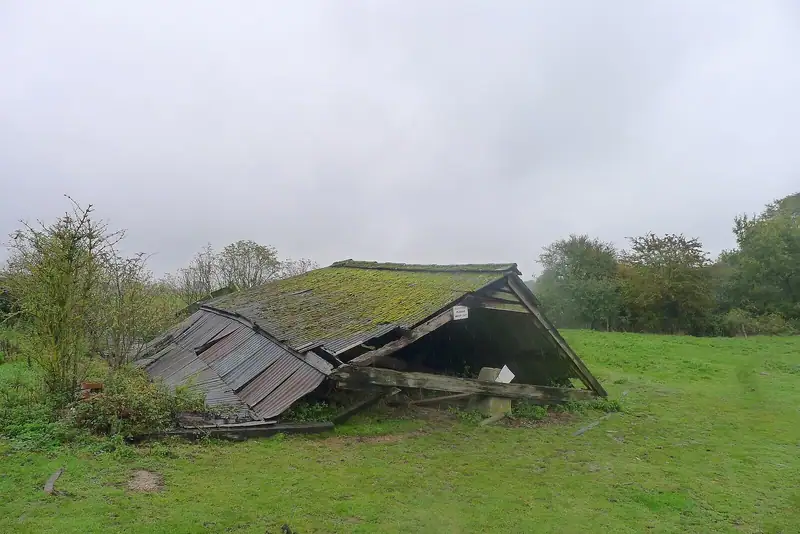
The shed is leaning, the deck boards flex underfoot, and the pile of lumber from a half-finished teardown has been sitting beside the driveway longer than you meant it to. Taking down a small outdoor structure can be manageable, but the work gets larger fast once you reach the roof, the framing, the concrete, and the debris that has to leave afterward.
In Knightdale, access can shape the whole job. Many townhomes and rental properties have shared drives or limited parking, so the work needs a clear place to stage material without blocking neighbors or a turnover crew. Older homes can have an outbuilding tucked behind a fence or a deck built in sections over uneven ground. The structure itself is only part of the job.
A teardown starts with a close look at the structure
First, decide whether you are dealing with a simple dismantling job or a structure that needs more care. A small freestanding shed with sound walls and an open path to the backyard is different from a rotting shed, a deck with loose railings, or anything attached to the house. Water damage, rusted fasteners, broken steps, a sagging roof, and buried anchors all change how the work should be approached.
Empty the structure before anyone starts pulling boards. Sheds often hold paint cans, tools, lawn equipment, old shelving, and boxes that need to be sorted before the walls come down. If the shed has electricity, disconnecting that service needs to be handled before demolition begins. For a deck, remove furniture, planters, grills, rugs, and anything stored underneath it.
There are a few practical checks worth making before you commit to doing it yourself:
- Make sure there is a safe path from the structure to where material can be loaded.
- Check whether gates, narrow side yards, shared drives, or parked vehicles will limit access.
- Find out whether the structure is attached to the house or tied into another feature, such as a fence or pergola.
- Ask an HOA, landlord, or property manager about any access or work rules that apply to the property.
- Separate anything you want to keep before the teardown starts, especially usable tools, hardware, or outdoor furniture.
The order of removal matters more than most people expect
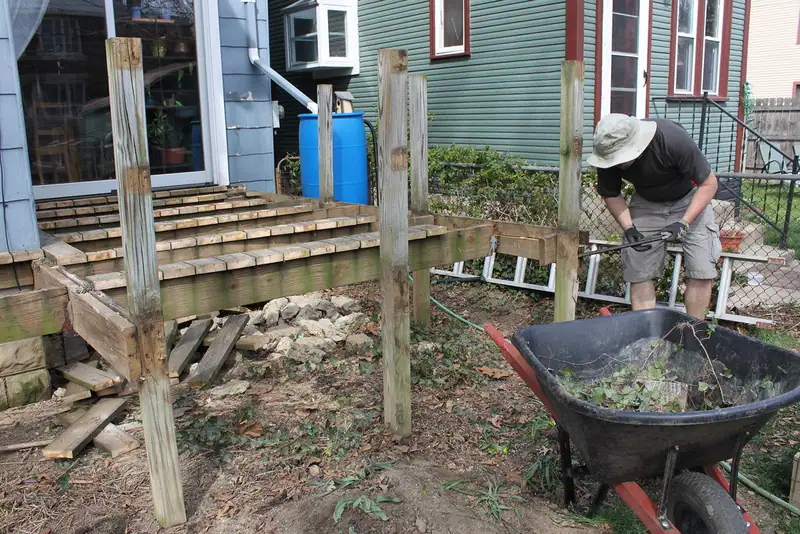
A shed usually comes apart from the top down. Roofing and roof framing need to come off before walls are loosened, and the floor is dealt with after the structure is no longer standing. A deck is also dismantled in sections. Railings, stairs, decking, framing, and posts each have to be handled without leaving unstable pieces behind.
This is where a job that looked like an afternoon can become a weekend. Old nails bend instead of pulling cleanly. Deck screws strip. Posts may be set in concrete. Lumber can be heavier than it looks after it has soaked up years of rain. And a pile of boards with exposed fasteners is hard to move safely once it is spread across the yard.
If you have a truck, basic tools, a solid structure, and enough time, a small shed or a few loose deck sections may be a reasonable DIY project. Work in small sections, keep the area clear, and avoid trying to force a leaning wall or heavy roof section down all at once. Stop if the structure is unstable, if the deck connects to the house, or if removing one part could drop weight onto another.
Hauling the debris is part of the demolition job
Demolition creates more than boards. There can be shingles, siding, nails, screws, metal brackets, concrete, lattice, insulation, old shelving, and material that was stored inside the shed. The cleanup takes time because the yard, driveway, and work path need to be checked for sharp pieces before the job is really finished.
A trailer or truck bed fills sooner than expected, particularly with deck framing and roof material. Repeated trips also mean more loading, more unloading, and more chances to leave debris behind. If you are taking the DIY route, plan for the disposal before you start. Do not assume a curbside pickup will take a mixed demolition pile.
For a job that needs a crew, White Oak Junk Removal handles light demolition of sheds, decks, fencing, and interior structures, then provides full cleanup and haul-away. The crew can dismantle decking, framing, railings, and stairs, and the company says it handles debris removal after the structure is down. Material is donated or recycled where reasonably possible, with what remains going to the landfill.
An on-site estimate settles the practical questions
The estimate is the time to point out the entire job, including the shed contents, the deck stairs, the old fence panel tied into the structure, and the pile already in the yard. It is also the time to mention tight access, shared drives, and any schedule you are working around. A lease turnover or contractor deadline can affect when the work needs to happen, even if the structure is small.
White Oak Junk Removal serves Knightdale and Wake County from its base in Garner. Brent Ward is the owner-operator. The company offers free on-site estimates and says pricing is given upfront before work begins, with no hidden fees. Its crew is insured, and same-day service is often available when the schedule permits.
You do not need to drag lumber to the curb or build one giant debris pile for a crew to look at the job. Leave the shed, deck, and debris where they are, show what is staying and what is going, and let the on-site estimate settle the scope and price before any work starts.
For a free on-site estimate for a shed or deck teardown in Knightdale, call White Oak Junk Removal at (919) 801-8331.