
How to Tell Whether a Junk Removal Price Is Fair
By White Oak Junk Removal
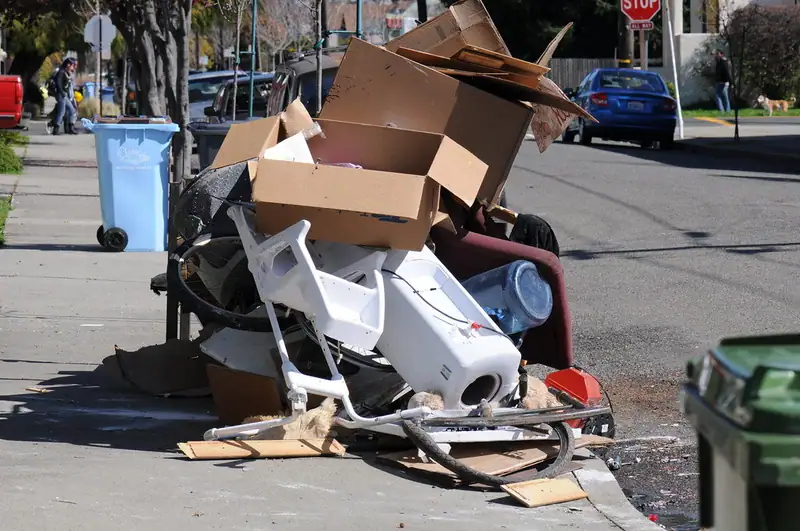
A fair price for junk removal is not just a number based on how full a truck looks. It should account for what is being removed, where it is located, how much lifting and sorting is involved, and what must happen to the material after it leaves your property. A single sofa at the curb is a different job from a basement full of boxes, old paint cans, a refrigerator, and a broken treadmill.
Start by defining the actual job
Before asking for prices, make a simple inventory. Count large items, estimate the number of bags or boxes, and note anything unusually heavy or difficult to move. Take clear photos from a few angles if you are requesting a quote remotely. The more accurately you describe the job, the less likely you are to get a low starting estimate that changes when the crew arrives.
- What is being removed: furniture, household clutter, appliances, yard debris, construction material, or mixed items.
- Where it is located: curbside, garage, first floor, upstairs, basement, attic, backyard, or shed.
- Access conditions: stairs, narrow hallways, locked gates, long carrying distance, limited parking, or elevator access.
- Items that may need special handling: mattresses, appliances, electronics, tires, paint, chemicals, propane tanks, or anything containing fuel.
- Whether you will have everything gathered in one place before pickup.
A quote is easier to compare when every company is pricing the same scope. If one estimate assumes curbside pickup and another includes carrying items out of an attic, the totals are not directly comparable.
Know what usually drives the price
Most legitimate junk removal prices are built from a few practical costs: labor, vehicle space, hauling, disposal or recycling fees, and the difficulty of the pickup. Heavy, dirty, mixed, or regulated materials generally cost more to handle than ordinary bagged household clutter. Stairs and long carries add labor time. A load that needs sorting into donation, recycling, landfill, or special-disposal streams takes more work than a pile of similar items.
Ask whether the price is based on volume, labor time, individual items, or a combination of those factors. None of those methods is automatically better. What matters is whether the company explains its method clearly and applies it consistently to your job.
Get estimates that can actually be compared
Request at least two written estimates for a larger job. Give each provider the same list and photos, and tell them about access issues upfront. Ask whether the number is a firm total, a range, or an estimate that will be confirmed on site.
- Does the quoted total include labor, hauling, and disposal?
- Are there extra charges for stairs, long carries, heavy items, appliances, or restricted materials?
- What would cause the price to change after arrival?
- Will the crew confirm the final price before loading begins?
- What happens to reusable or recyclable items when that is practical?
- Will the company provide a receipt or written confirmation of the work?
Be cautious with a price that is dramatically lower than every other estimate but has no clear explanation. It may exclude disposal, assume an easier pickup than the one you described, or leave room for add-on charges at the door. A higher quote is not automatically fair, either; it should identify the work or disposal issue that makes the job more expensive.
When doing it yourself can save money
DIY removal can be a good choice for a small, straightforward load if you already have a suitable vehicle, can lift safely, and know where the material can be taken. It is often most practical when the items are light, clean, and already near the curb, garage, or driveway.
Before renting a truck or trailer, add up the full cost: rental time, mileage, fuel, dump or transfer-station fees, protective equipment, and your time. Check local disposal rules before loading. Some facilities do not accept certain appliances, electronics, paint, batteries, chemicals, tires, or construction materials in ordinary household loads.
Do not turn a low-cost cleanup into an injury or property-damage problem. Use a second person for bulky furniture, keep clear paths through the house, protect door frames and floors, and do not attempt to move items that are beyond your lifting ability.
When it is worth hiring a professional
Professional removal is usually the better value when the job involves multiple rooms, stairs, heavy appliances, packed storage areas, large furniture, demolition debris, or materials that need special disposal. It also makes sense when you need the work finished quickly, cannot safely lift the items, or do not have a vehicle that can legally and securely haul the load.
The benefit is not simply that someone else does the lifting. A capable crew should be able to move bulky items without blocking your driveway for a full day, load efficiently, and separate materials that cannot go into ordinary trash. For homeowners, that reduces the risk of damaged walls, strained backs, overloaded vehicles, and a rejected load at the disposal site.
Use the final price conversation to avoid surprises
Before work begins, walk through the items with the crew and confirm the total price, including any access or special-handling charges. Remove anything you are keeping, especially documents, tools, jewelry, medication, and family photos. If an item is not included in the agreed scope, point it out before it is loaded.
A fair junk removal price is one you can understand before the truck is loaded. The cheapest option can be sensible for a simple curbside pickup; for a difficult or mixed-material job, the better comparison is often the all-in cost of getting it removed safely and disposed of correctly.