Junk Removal: Small Local Business or Large Corporation?
By White Oak Junk Removal
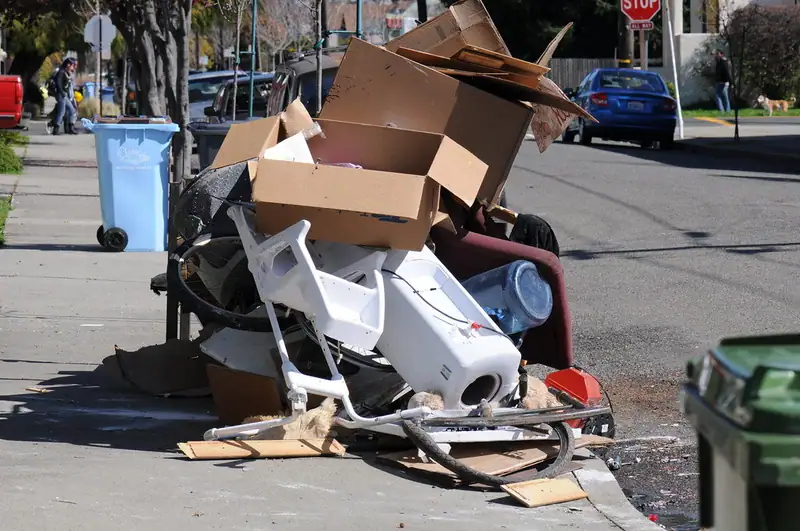
When the garage is packed with old furniture, a basement cleanout has produced more than your trash cart can handle, or a move leaves a pile of unwanted items at the curb, junk removal looks simple: load it up and take it away. The useful question is not whether someone can lift it. It is who will sort it, carry it out without damaging the house, dispose of it legally, and give you a clear answer if the final load is larger than expected. Both a small local hauler and a national junk-removal company can be the right choice, but they tend to work differently.
What You Can Handle Yourself
DIY makes sense for a small, clean, manageable load when you already have a way to transport it. A few flattened boxes, bagged household clutter, small pieces of furniture, or yard waste may fit in your normal trash service, municipal drop-off rules, or a borrowed pickup. Before loading anything, separate donations, recyclables, electronic waste, paint, chemicals, batteries, propane cylinders, and ordinary trash. Those materials often have different disposal rules, and mixing them can turn an easy trip into several.
Measure bulky items before committing to a DIY haul. Check doorways, stair turns, elevator rules, and the cargo area of the vehicle. A reclining sofa or waterlogged mattress may be harder to move than it is to dispose of. Use gloves, closed-toe shoes, and a second person for awkward items. Keep loads tied down and do not stack material above the sides of an open vehicle.
DIY stops being economical when the job requires multiple dump runs, rental equipment, heavy lifting, or time off work. It is also a poor fit for items that are unsafe to handle, difficult to carry down stairs, or likely to damage walls, floors, or vehicles.
Where a Small Local Junk Removal Business Can Be a Better Fit
A small local company is often easiest to work with when the job needs flexibility. Homeowners may have a few items in the driveway, then discover more in the shed. They may need pickup coordinated around a contractor, a closing date, a tenant move-out, or an elderly relative's cleanout. A local owner or small crew can sometimes make decisions on site instead of routing every exception through a call center or a fixed estimate process.
Communication is the practical advantage to look for. You should be able to explain exactly what is being removed, ask whether the crew will go upstairs or into a basement, and get a direct answer about pricing, access, and restricted materials. For a small job, that can matter more than a polished app or a national advertising campaign.
Local does not automatically mean cheaper or better. Ask the same basic questions you would ask any hauler: Is pricing based on volume, item count, labor, or truck space? Is there a minimum charge? Are stairs, long carries, heavy materials, or same-day service extra? Will the crew sweep up loose debris? What happens if the load is larger than the estimate?
Where a Large Junk Removal Company Can Make Sense
A large company may be a good choice when scheduling certainty matters more than personal flexibility. Bigger operators may have more crews, broader service hours, standardized booking, and established procedures for common jobs. That can help when you need a narrow appointment window, have a substantial amount of material, or want a company with a centralized customer-service system.
Standardized service can also make comparison easier. If the company uses clear volume tiers or a written estimate process, you may have fewer surprises than with a vague verbal quote. Still, read what is included. A quoted truck fraction is not useful unless you know whether labor, loading, disposal, stairs, and applicable fees are included.
The tradeoff is that a large company may have less room to adapt to unusual circumstances. A small addition to the pile, a difficult parking situation, or a request to separate specific items for donation may require approval or change the price. That does not make the service poor; it means the homeowner should describe the job accurately before booking.
Compare the Estimate, Not Just the Company Name
For most homeowners, the best choice comes down to the written scope of work. Send the same photos and description to each company. Include the number of items, approximate dimensions, material type, floor level, stair count, distance from the house to the truck, parking limitations, and anything unusually heavy. If debris is in bags or boxes, say how many. If it is construction material, identify it rather than calling it “junk.”
- Ask for the total expected price and what could change it.
- Ask whether the crew can confirm the price before loading begins.
- Ask which items they will not take, especially paint, chemicals, batteries, tires, appliances, and electronics.
- Ask whether disposal, recycling, or donation is handled by the company or left to the homeowner.
- Ask whether the company is insured for work inside the home.
- Ask whether the crew can remove items from a basement, attic, garage, or upper floor.
Jobs That Should Not Be a Casual DIY Project
Hire qualified help when removal involves a very heavy item, difficult stairs, demolition debris, sharp or contaminated material, unknown chemicals, or anything that may contain hazardous components. Examples include cast-iron fixtures, safes, hot tubs, large appliances, old paint, solvents, fuel containers, fluorescent bulbs, and debris from a water-damaged or animal-contaminated space. The issue is not only lifting. It is injury risk, property damage, vehicle loading, and proper disposal.
A professional junk crew is also worth considering when labor is the real problem. If you can rent a truck but cannot safely get a sofa through a tight hallway, the truck does not solve the job. A crew that moves bulky items regularly will usually have dollies, straps, protective materials, and a plan for navigating the house.
A Simple Way to Decide
Handle it yourself if the load is small, safe, clean, legal to dispose of, and easy to transport in one trip. Call a small local business if you want direct communication, a flexible crew, or help with an unusual cleanout. Consider a larger company if you value standardized scheduling, documented processes, and access to more crews. In every case, the homeowner gets the best result by describing the job precisely and getting the total price confirmed before anything is loaded.